
Quick Answer
Japan is worth visiting because it packs ancient temples, incredible food, dramatic nature and futuristic cities into one safe, easy-to-travel country. Most first-time visitors need 7–14 days. Spring (March–May) and autumn (October–November) are the best times to go. A comfortable mid-range trip costs roughly $150–$250 per person per day, including hotels, food and transport.
Key Takeaways
- Culture — Kyoto, Nara and Kamakura offer temples, shrines and traditions that go back over a thousand years.
- Food — from $8 ramen to world-class sushi, Japan is one of the best food destinations on Earth.
- Nature — Mount Fuji, Hakone hot springs, Hokkaido snow and Okinawa beaches sit in one country.
- Cities — Tokyo blends neon streets, quiet shrines and the world’s best public transport.
- Safety — Japan is one of the safest countries in the world for travelers, including solo travelers.
- Value — visit in winter or early December for the cheapest flights and hotel rates.
Table of Contents
- Why Japan Should Be Your Next Trip
- 1. Ancient Culture You Can Actually Touch
- 2. The Food Alone Is Worth the Flight
- 3. Nature: From Mount Fuji to Okinawa Beaches
- 4. Tokyo and the Thrill of Modern Japan
- 5. Four Seasons, Four Different Trips
- 6. It’s Safe, Clean and Easy to Get Around
- 7. Better Value Than You Think
- How Many Days Do You Need?
- Travel Tips: Mistakes to Avoid
- Where to Stay in Japan (Recommended Hotels)
- Best Japan Tours and Day Trips
- FAQ
- Related Articles
- Ready to Book Your Japan Trip?
Why Japan Should Be Your Next Trip
Ask ten travelers about their favorite country and Japan comes up again and again. There’s a reason for that. Few places let you eat Michelin-level sushi at lunch, walk through a 1,200-year-old temple in the afternoon, and end the night under Shibuya’s neon lights.
I’ve put together the seven strongest reasons to visit Japan, based on what actually makes the trip special. You’ll also find real costs, the best time to go, how many days you need, and where to stay. By the end, you should know exactly whether Japan is right for your next holiday — and how to start planning it.
1. Ancient Culture You Can Actually Touch
Japan doesn’t keep its history behind glass. You walk through it.
Kyoto is the heart of it all. The city has over 1,600 temples and 400 shrines, including the golden Kinkaku-ji and the endless red gates of Fushimi Inari. Spend a morning in the Gion district and you may spot a geiko heading to an appointment. Nearby Uji is the home of Japanese green tea, and Nara — just 45 minutes away — is famous for its friendly bowing deer and the giant bronze Buddha at Todai-ji.
Beyond the classics, smaller towns deliver the most memorable moments. Kanazawa has one of Japan’s top three gardens and a beautifully preserved samurai district. Takayama feels like stepping into the Edo period. Shirakawa-go, a UNESCO village of steep thatched-roof farmhouses, looks like a storybook — especially under winter snow. Closer to Tokyo, Kamakura offers a giant seaside Buddha and hiking trails between temples.
2. The Food Alone Is Worth the Flight
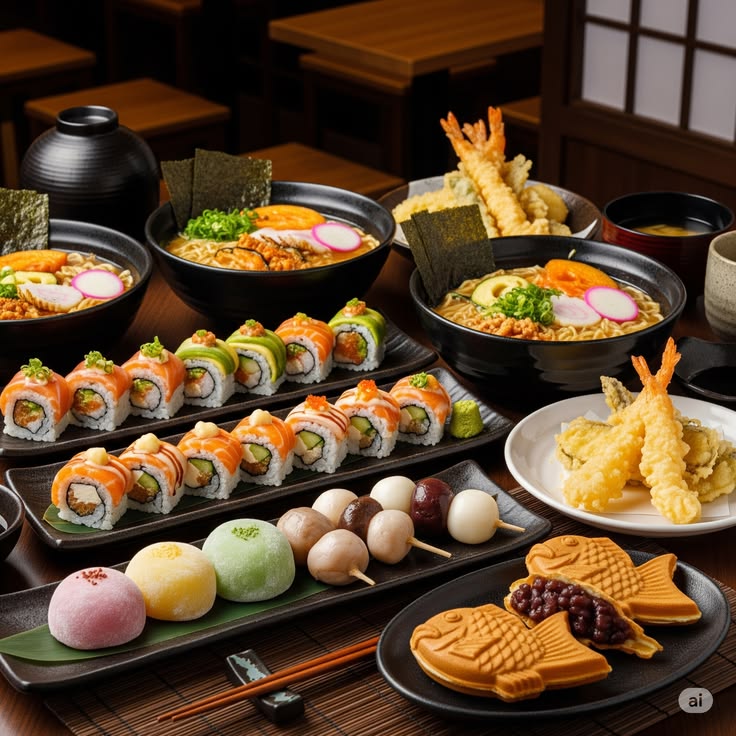
Plenty of people visit Japan just to eat. Honestly, it’s a valid plan.
Japanese cuisine runs from humble to world-class, and almost everything is good. A bowl of rich tonkotsu ramen costs around $8–$12. Conveyor-belt sushi starts near $1.50 a plate. At the other end, Tokyo has more Michelin-starred restaurants than any other city in the world.
Street food is its own adventure. Osaka’s Dotonbori district is famous for takoyaki (octopus balls) and okonomiyaki (savory pancakes). In Tokyo, Asakusa’s Nakamise shopping street serves fresh snacks on the walk to Senso-ji temple. Every region has a specialty too: Kobe beef in Kobe, miso ramen in Sapporo, fresh seafood bowls in Hokkaido, and matcha everything in Uji.
3. Nature: From Mount Fuji to Okinawa Beaches
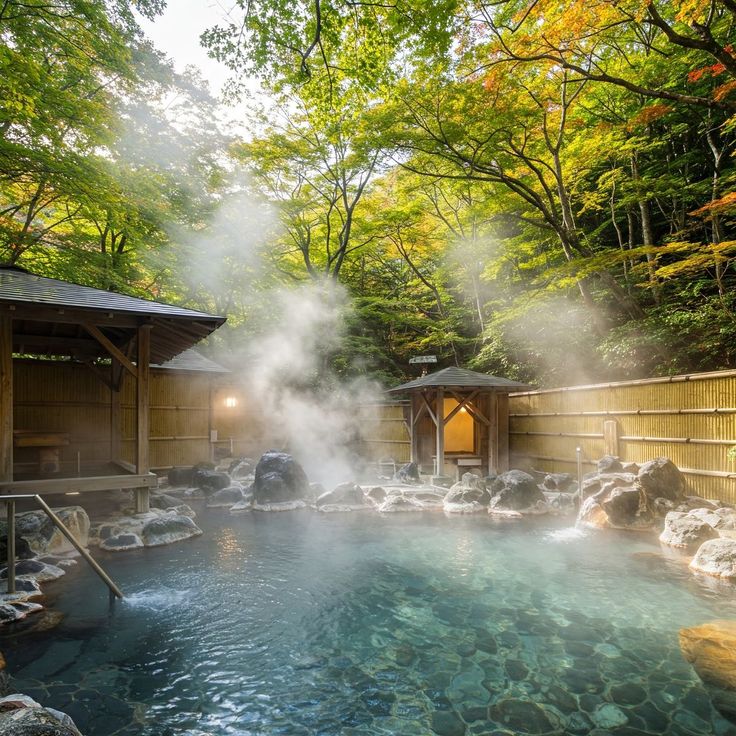
Japan surprises people who expect only cities. Around 70% of the country is mountains and forest.
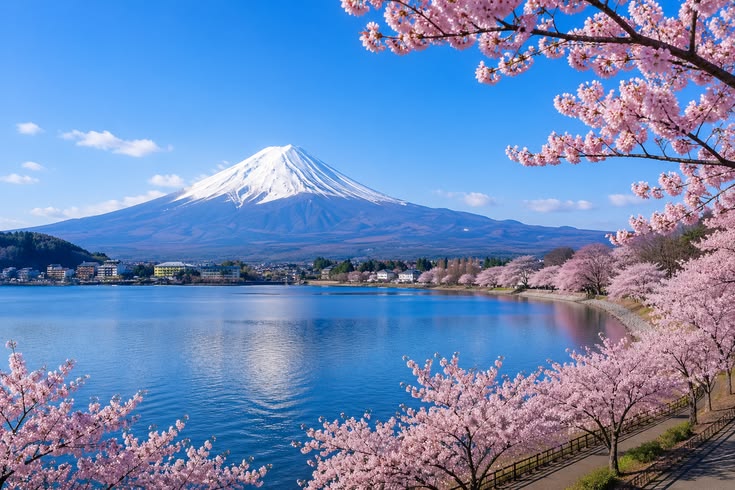
Mount Fuji is the icon. On a clear day, you can see it from Tokyo, but the best views come from Hakone or the Fuji Five Lakes area. Hakone is also Japan’s classic hot-spring escape — soak in an onsen with a volcano view. Nikko, two hours north of Tokyo, pairs lavishly decorated shrines with waterfalls and quiet lake scenery.
Head north to Hokkaido for wide-open landscapes, flower fields in summer and powder snow in winter. Head south to Okinawa for white-sand beaches and coral reefs that feel closer to Hawaii than Tokyo. And in Beppu, on Kyushu island, you can tour the steaming, blood-red ‘Hells’ — hot springs so intense they’re for viewing, not bathing.
4. Tokyo and the Thrill of Modern Japan
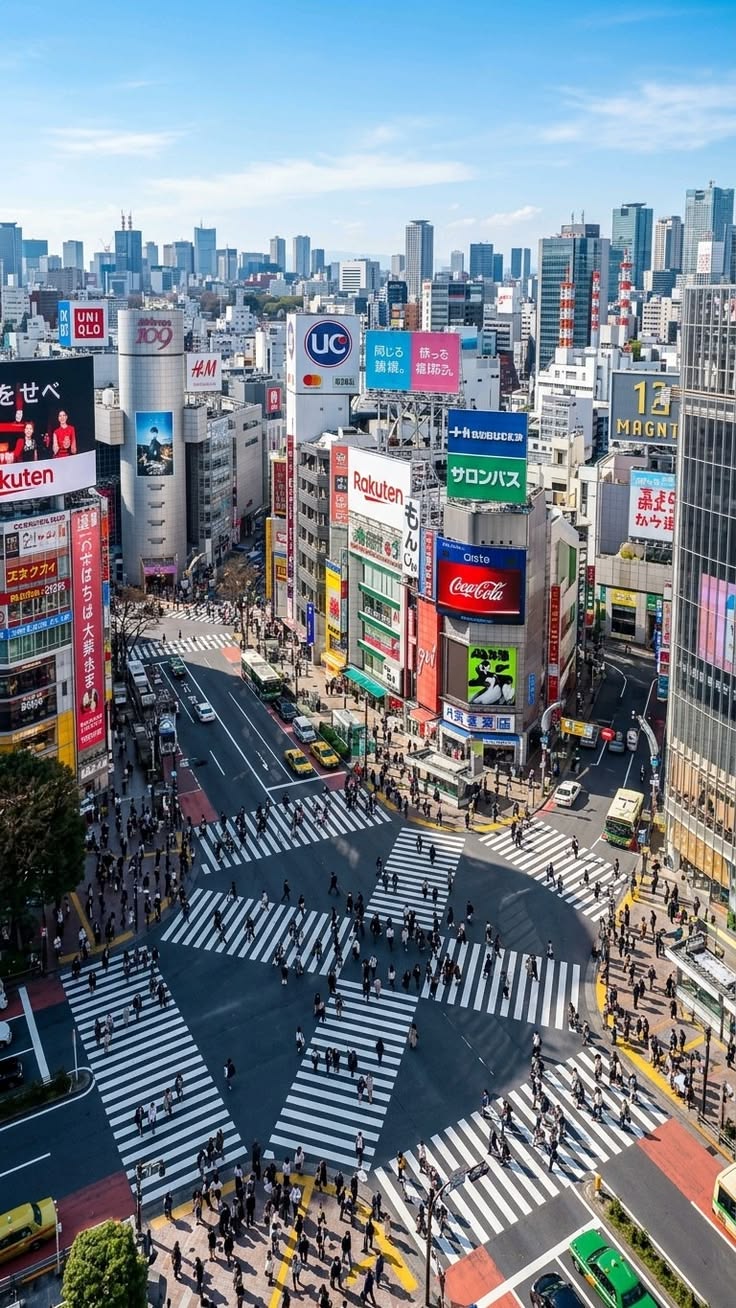
Tokyo is the world’s largest metropolitan area, and it runs like clockwork. Every neighborhood feels like a different city.
- Shibuya — the famous scramble crossing, big-screen energy and some of the city’s best nightlife.
- Shinjuku — neon-lit streets, tiny bars in Golden Gai and free skyline views from the Metropolitan Government Building.
- Akihabara — the world capital of anime, gaming and electronics.
- Ginza — polished department stores, art galleries and high-end dining.
- Odaiba — a futuristic bay area with teamLab’s digital art museum and a giant Gundam statue.
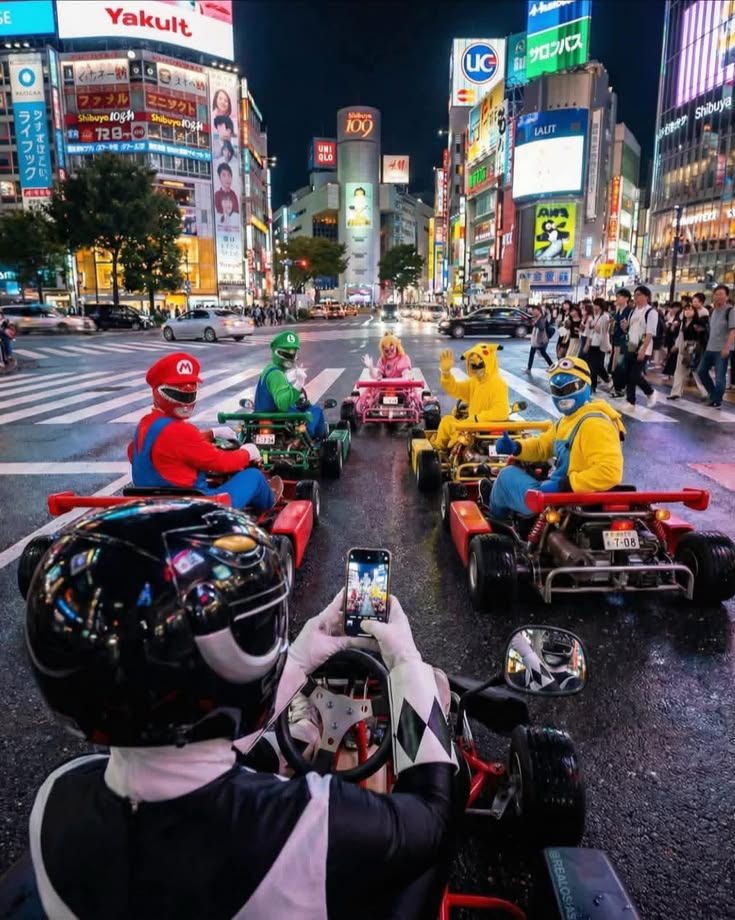
Then there’s the fun you can’t have anywhere else: go-karting through city streets in costume, robot-themed cafes, capsule hotels and vending machines that sell almost anything. Modern Japan is playful in a way that photos never fully capture.
5. Four Seasons, Four Different Trips
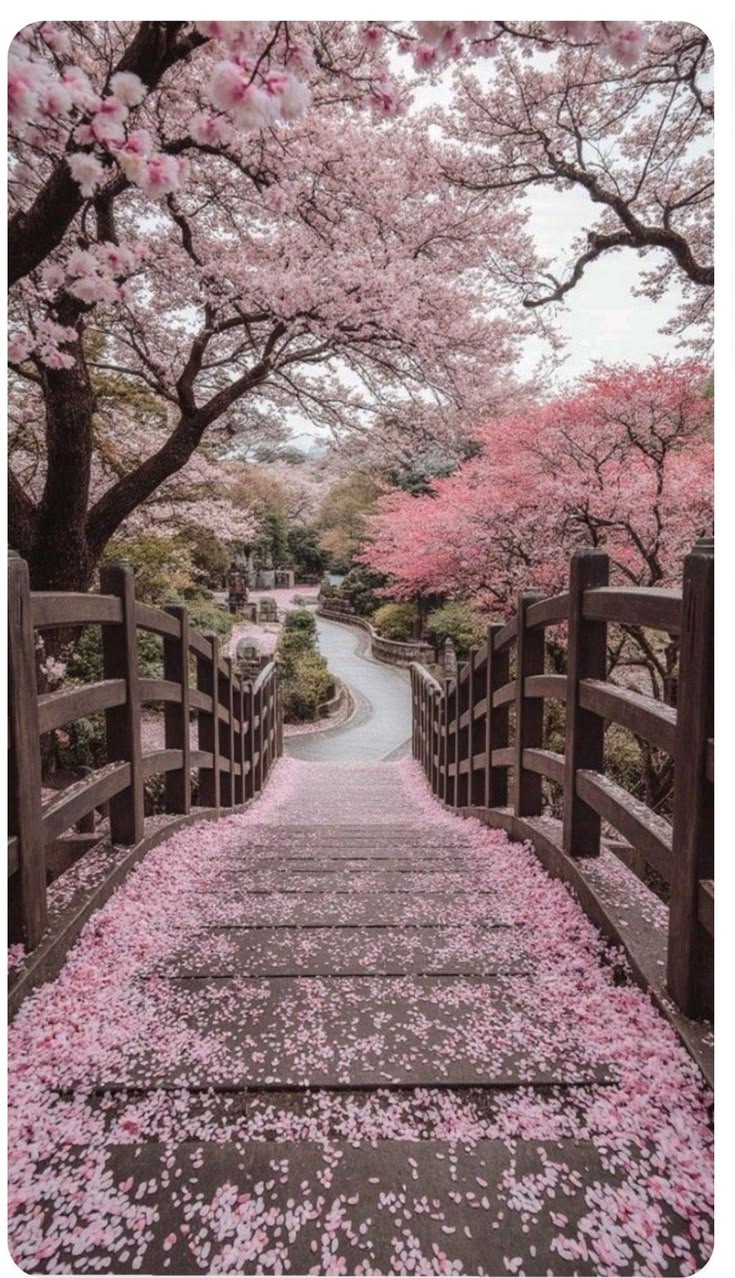
Japan changes completely with the seasons, which is why so many travelers come back. Here’s how they compare:
| Season | What You Get | Best For | Crowds & Prices |
|---|---|---|---|
| Spring (Mar–May) | Cherry blossoms, mild weather | First-timers, photographers | High — book 3–6 months ahead |
| Summer (Jun–Aug) | Festivals, fireworks, hiking, Okinawa beaches | Festival lovers, families | Moderate; hot and humid |
| Autumn (Oct–Nov) | Red and gold foliage, crisp air | Kyoto, Nikko, food lovers | High in late November |
| Winter (Dec–Feb) | Snow villages, skiing, clear Fuji views | Budget travelers, skiers, onsen fans | Lowest prices outside New Year |
Cherry blossom season (late March to early April) is magical but busy. Autumn foliage is just as beautiful and slightly easier to book. If budget matters most, winter is the cheapest time to visit Japan — flights and hotels drop sharply in January and February.
6. It’s Safe, Clean and Easy to Get Around
Japan consistently ranks among the safest countries in the world. Violent crime is rare, lost wallets get returned, and solo travelers — including solo women — routinely describe it as the easiest trip they’ve taken.
Getting around is a highlight, not a chore. The shinkansen (bullet train) links Tokyo, Kyoto, Osaka and Hiroshima at up to 320 km/h, and trains famously run on time. Inside cities, a rechargeable IC card (Suica or Pasmo) works on nearly every train, subway and bus. English signage is standard in stations, and Google Maps handles Japanese transit brilliantly.
7. Better Value Than You Think
‘Isn’t Japan expensive?’ It’s the most common question — and the answer is: less than you’d expect. The weak yen in recent years has made Japan cheaper for most visitors than Western Europe. Here’s a realistic daily budget per person:
| Travel Style | Daily Budget (per person) | What It Looks Like |
|---|---|---|
| Budget | $70–$110 | Hostels or capsule hotels, ramen and convenience-store meals, local trains |
| Mid-range | $150–$250 | 3–4 star hotels, restaurant meals, day trips, some bullet trains |
| Comfort / Luxury | $300+ | High-end hotels or ryokan stays, fine dining, private tours |
Money-saving tips: eat at least one meal a day from a konbini (convenience store) — the food is genuinely good. Buy rail passes only if your route justifies it. Stay in Osaka rather than Kyoto to save 30–40% on hotels, then day-trip in. And travel in winter or early December for the lowest fares.
How Many Days Do You Need?
Seven days covers the essentials. Ten to fourteen days is the sweet spot.
- 7 days — Tokyo (3 nights), Kyoto (3 nights) with a Nara day trip, finish in Osaka.
- 10 days — add Hakone or Nikko for Mount Fuji views and an onsen night.
- 14 days — add Hiroshima and Miyajima, or go north to Kanazawa, Takayama and Shirakawa-go.
Travel Tips: Mistakes to Avoid
- Don’t try to see everything. Japan rewards depth — pick 2–3 bases and day-trip from them.
- Don’t skip hotel booking. Rooms in Kyoto sell out months ahead for spring and autumn.
- Don’t rely on credit cards everywhere. Carry some cash; smaller restaurants are still cash-only.
- Don’t ignore etiquette. No eating while walking in most areas, no talking loudly on trains, shoes off where indicated.
- Don’t buy a rail pass automatically. Price your actual route first — point-to-point tickets are often cheaper now.
Where to Stay in Japan (Recommended Hotels)
Location matters more than star rating in Japan. Stay near a major train station and the whole country opens up. These are consistently well-reviewed picks you can compare on Booking.com:
Tokyo
- Hotel Gracery Shinjuku — the famous Godzilla hotel, steps from Shinjuku’s nightlife and trains. Great for first-timers.
- Century Southern Tower Hotel — highly rated 4-star with skyline views, directly above Shinjuku station access.
- MIMARU Tokyo Asakusa Station — apartment-style rooms with kitchenettes, ideal for families near Senso-ji temple.
Kyoto
- HOTEL THE MITSUI KYOTO — five-star luxury beside Nijo Castle with a thermal spring spa. A true splurge stay.
- Downtown Kawaramachi / Kyoto Station hotels — best areas for mid-range travelers using day trips.
Osaka
- Namba / Dotonbori area hotels — walk to the best street food in Japan and save 20–30% versus Kyoto rates.
Compare hotel prices and check availability for your dates on Booking.com — popular rooms in Kyoto and Shinjuku sell out early in cherry blossom season.
Best Japan Tours and Day Trips
A few well-chosen tours save hours of planning and unlock places that are hard to reach by train:
- Mount Fuji & Hakone day trip from Tokyo — the classic: Fuji’s 5th Station, Lake Kawaguchiko or a Hakone cruise in one day.
- Kyoto highlights tour — Fushimi Inari, Kiyomizu-dera and the Arashiyama bamboo grove with a guide who beats the crowds.
- Hiroshima & Miyajima day trip — the Peace Memorial Park plus the floating torii gate of Itsukushima Shrine.
- Nara half-day trip — bowing deer and the Great Buddha, easily paired with Kyoto.
- Tokyo street go-karting — costume up and drive through Shibuya. Book early; an international driving permit is required.
View tour details and reserve your spot in advance — Fuji day trips and go-karting slots fill up fast in peak season.
FAQ
Is Japan worth visiting?
Yes. Japan combines culture, food, nature and modern city life better than almost any destination, and it’s exceptionally safe and easy to travel. Most visitors say it exceeded their expectations — and many start planning a return trip before they’ve left.
How many days do you need in Japan?
Plan 7 days minimum for Tokyo and Kyoto. Ten to fourteen days lets you add Osaka, Nara, Hakone or Hiroshima without rushing. Two weeks is ideal for a first trip.
Is Japan expensive to visit?
Japan is cheaper than most people expect. A mid-range trip costs about $150–$250 per person per day, and budget travelers can manage on $70–$110. Flights and hotels are cheapest in winter, outside the New Year holidays.
Is Japan safe for tourists?
Japan is one of the safest countries in the world. Crime against tourists is very rare, public transport is safe at all hours, and solo travel is common and comfortable. Normal travel precautions are enough.
What is the best time to visit Japan?
Spring (March–May) for cherry blossoms and autumn (October–November) for foliage are the best times overall. Winter is best for budget travelers, skiers and clear Mount Fuji views.
Do I need to speak Japanese to travel in Japan?
No. Major stations, trains and tourist areas have English signage, and translation apps cover the rest. Learning a few polite phrases like ‘arigatou’ (thank you) goes a long way, though.
Related Articles
- Best Time to Visit Japan: Month-by-Month Guide
- 10-Day Japan Itinerary for First-Timers (Tokyo, Kyoto, Osaka)
- Things to Do in Tokyo: Neighborhood-by-Neighborhood Guide
- Kyoto Travel Guide: Temples, Food and Where to Stay
- Is Hiroshima Worth Visiting? A Day-Trip Guide
Ready to Book Your Japan Trip?
Japan rewards travelers who plan ahead — the best hotels, ryokan and tours genuinely do sell out in peak season. Start by picking your season, lock in flights, then reserve your Tokyo and Kyoto hotels early. Compare hotel prices on Booking.com, browse our Japan tour packages, and explore our Asia travel guides to build your perfect route. Your future self, eating ramen under the neon lights of Shinjuku, will thank you.